14 апр 2026
Кто поддержал «Мемориал» после признания «экстремистской организацией»
- Верховный комиссар ООН по правам человека Фолькер Тюрк
- Спецдокладчики ООН
- Делегация ЕС в России
- Депутаты Европарламента
- Министерство иностранных дел Польши
- Министерство Европы и иностранных дел Франции
- Министерство иностранных дел Швеции
- Министерство иностранных дел Эстонии
- Министерство иностранных дел Австрии
- Министерство иностранных дел Люксембурга
- Эспен Барт Эйде, Министр иностранных дел Норвегии
- Послы по правам человека Эстонии, Финляндии, Франции, Исландии, Нидерландов, Швеции и Великобритании
- Ларс Кастеллуччи, Уполномоченный правительства ФРГ по правам человека и гуманитарной помощи
- Международная правозащитная организация Freedom House
- Антикоррупционный центр Transparency International Russia
- Хью Уильямсон, директор Human Rights Watch по Европе и Центральной Азии
- Алесь Беляцкий, председатель беларуского правозащитного центра «Вясна»
- Наталья Арно, основательница и президент Free Russia Foundation
- Денис Кривошеев, Заместитель регионального директора Amnesty International по Восточной Европе и Центральной Азии
- Правозащитный проект ОВД-Инфо
- Движение «Весна»
- Издание «Парни+»
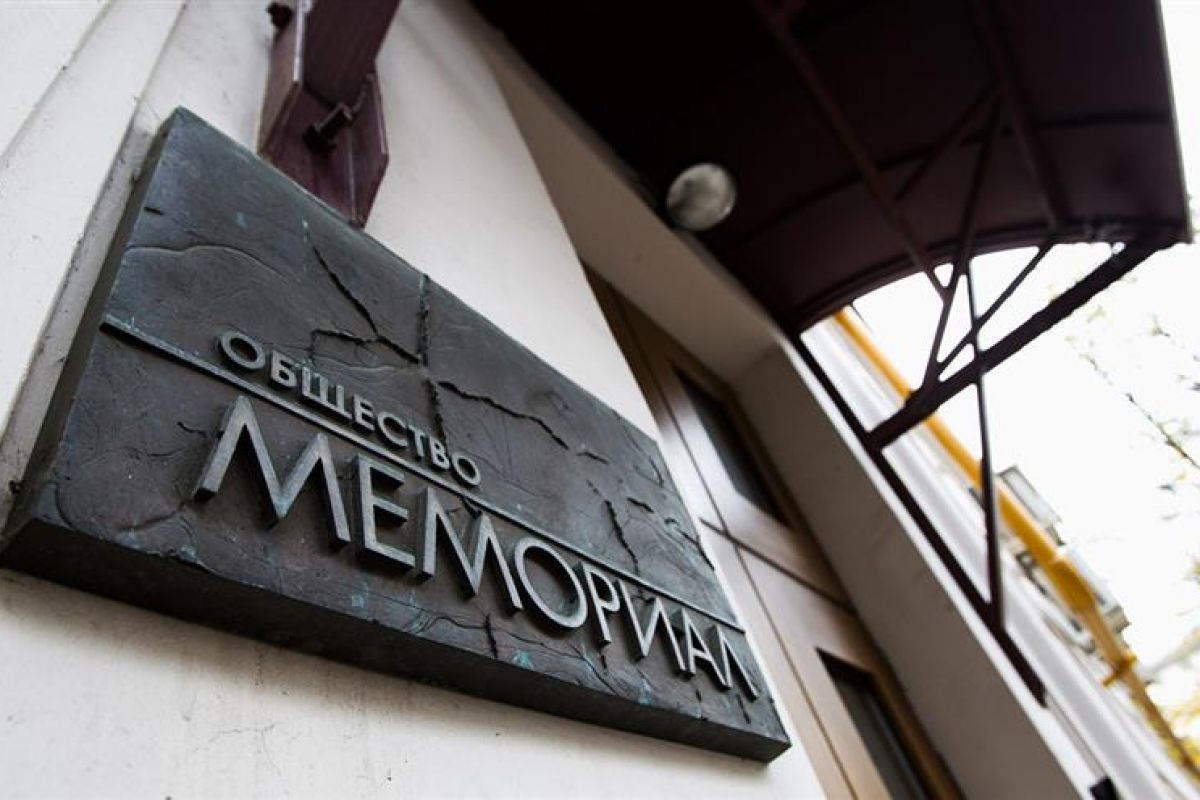
9 апреля 2026 года Верховный суд России признал несуществующее Международное общественное движение «Мемориал» экстремистской организацией.
Иск рассмотрели в закрытом заседании, а делу присвоили гриф «совершенно секретно». Адвоката не допустили к участию в процессе.
В поддержку «Мемориала» выступили представители ООН, Европарламента, ЕС, международных и российских правозащитных организаций. Мы собрали и перевели эти заявления.
Верховный комиссар ООН по правам человека Фолькер Тюрк
Я потрясён решением российских властей объявить «Мемориал», одну из старейших и наиболее известных правозащитных организаций в стране, «экстремистской» организацией, тем самым фактически криминализировав критически важную правозащитную деятельность.
Это решение является частью более широкой и тревожной тенденции: российские власти применяют законы, предназначенные для борьбы с экстремизмом, для преследования отдельных лиц и организаций под предлогом их причастности к расплывчато определённым «экстремистским» движениям или группам.
Вчерашний обыск [9 апреля] в редакции независимого российского издания «Новая газета» и задержание журналиста Олега Ролдугина также свидетельствуют о продолжающемся сужении гражданского пространства, ограничении свободы выражения мнения и свободы объединения, а также о репрессиях против любых лиц или групп, которых власти считают оппозиционными по отношению к правительству.
Я призываю российские власти обеспечить соблюдение своих обязательств по международному праву в области прав человека. Я настоятельно призываю их немедленно отменить последнее решение в отношении «Мемориала» и гарантировать, что ни одно лицо не будет подвергнуто уголовной или административной ответственности за осуществление своих фундаментальных прав человека, включая свободу выражения мнения и свободу мирных объединений.
Оригинал заявления
I am appalled by the Russian authorities’ designation of Memorial, one of the oldest and most prominent human rights organisations in the country, as an “extremist” organisation – effectively criminalising critical human rights work.
This decision is part of a broader, unsettling pattern in which the Russian authorities are applying laws intended to combat extremism to prosecute individuals or organisations under the guise that they are associated with vaguely defined extremist “movements” or groups.
Yesterday’s raid on Russian independent media outlet Novaya Gazeta and the detention of journalist Oleg Roldugin, are also indicative of this continuing clampdown on civic space, freedom of expression and association, and repression targeting any individuals or groups perceived to be opposed to the Government.
I call on the Russian authorities to ensure compliance with their obligations under international human rights law. I urge them to immediately annul the latest decision on Memorial and ensure that no individual is subjected to criminal or administrative liability for the exercise of their fundamental human rights, including freedom of expression and peaceful association.
This decision is part of a broader, unsettling pattern in which the Russian authorities are applying laws intended to combat extremism to prosecute individuals or organisations under the guise that they are associated with vaguely defined extremist “movements” or groups.
Yesterday’s raid on Russian independent media outlet Novaya Gazeta and the detention of journalist Oleg Roldugin, are also indicative of this continuing clampdown on civic space, freedom of expression and association, and repression targeting any individuals or groups perceived to be opposed to the Government.
I call on the Russian authorities to ensure compliance with their obligations under international human rights law. I urge them to immediately annul the latest decision on Memorial and ensure that no individual is subjected to criminal or administrative liability for the exercise of their fundamental human rights, including freedom of expression and peaceful association.
Спецдокладчики ООН
С начала войны против Украины в 2022 году российские власти ускорили наступление на фундаментальные свободы, систематически демонтируя то, что осталось от независимого гражданского общества.
В своем репрессивном арсенале против гражданского общества правительство использует такие методы, как массовое признание организаций «нежелательными» или «иностранными агентами», наряду с инструментализацией законодательства о национальной и общественной безопасности для преследования адвокатов, журналистов, антивоенных активистов и правозащитников. Ключевой частью государственной стратегии стало злоупотребление положениями о противодействии экстремизму и терроризму: правозащитные организации объявляются «экстремистскими» или «террористическими», а против их членов или лиц, связанных с ними (включая жертв нарушений прав человека), выдвигаются уголовные обвинения.
На сегодняшний день более 343 организаций признаны «нежелательными», более 1 173 структур и лиц объявлены «иностранными агентами»; 830 организаций и 20 813 человек внесены в «список террористов и экстремистов».
В ходе новой волны эскалации под удар попали несколько ключевых российских правозащитных организаций. 9 апреля 2026 года Министерство юстиции в ходе закрытого заседания Верховного суда потребовало признать лауреата Нобелевской премии мира, «Международное движение Мемориал», «экстремистской организацией». Это отражает преднамеренную и просчитанную стратегию по насаждению страха среди российского народа и лишению его доступа к независимой информации, защите прав человека и юридической помощи. Этот шаг последовал за ликвидацией двух структур «Мемориала» по закону об «иноагентах» и за «реабилитацию нацизма» в декабре 2021 года, а также признанием «Международной ассоциации Мемориал» «нежелательной» 17 февраля 2026 года. В случае удовлетворения иска лицам и организациям, связанным с «Мемориалом», будет грозить уголовная ответственность, включая тюремное заключение.
8 апреля 2026 года шесть активистов молодежного движения «Весна» получили от 8 до 12 лет лишения свободы за предполагаемое участие в «экстремистской организации». Обвинения связаны с их протестом против войны России в Украине. Движение «Весна» было признано «экстремистским» Санкт-Петербургским городским судом 6 декабря 2022 года, ранее получив статус «иностранного агента».
Эта стратегия репрессий также была направлена против Фонда борьбы с коррупцией (ФБК), основанного покойным лидером оппозиции Алексеем Навальным. 27 ноября 2025 года Верховный суд признал организацию «экстремистской» и объявил её «террористической». Аналогичным образом «Антивоенный комитет России» был признан «террористическим» 2 марта 2026 года. Публичная поддержка любой из этих организаций криминализирована. В октябре 2025 года ФСБ возбудила уголовные дела против 23 членов Антивоенного комитета по обвинению в «терроризме».
Мишенью стали и защитники прав коренных народов. 7 июня 2024 года Верховный суд признал несуществующее «Антироссийское сепаратистское движение», включающее 55 организаций коренных народов и меньшинств, «экстремистским». 22 ноября 2024 года «Форум свободных народов Пост-России» вместе со 172 предполагаемыми филиалами был объявлен «террористическим». Среди них оказался и «Абориген-Форум» — неформальная сеть защитников прав коренных народов из 14 регионов Севера, Сибири и Дальнего Востока.
17 декабря 2025 года Дарья Эгерева и Наталья Леонгардт были произвольно задержаны и обвинены в участии в «террористической организации» из-за их деятельности в «Абориген-Форуме». Эгерева, судя по всему, также подверглась преследованию в качестве мести за её взаимодействие с ООН.
Мы осуждаем эту целенаправленную стратегию использования «антиэкстремистских» и антитеррористических рамок для разрушения гражданского общества, криминализации и тюремного заключения правозащитников.
Российские власти должны немедленно прекратить судебные процессы против правозащитников и критиков войны и освободить всех, кто был произвольно задержан за свою мирную деятельность. Мы глубоко встревожены столь вопиющим злоупотреблением законодательством для криминализации свободы слова, что ведет к тотальному уничтожению гражданского общества в России. Такая практика недопустима и должна быть прекращена.
Заявление подписали:
- Мариана Кацарова, специальная докладчица по вопросу о положении в области прав человека в России
- Рабочая группа по произвольным задержаниям: Мэтью Джиллетт (Председатель-докладчик), Ганна Юдковская (Заместитель председателя по связям/коммуникациям), Итан Хи-Сок Шин (Заместитель председателя по последующим мерам), Мириам Эстрада-Кастильо, Мумба Малила
- Бен Сол, специальный докладчик по вопросу о поощрении и защите прав человека и основных свобод в условиях борьбы с терроризмом
- Мэри Лолор, специальная докладчица по вопросу о положении правозащитников
- Ирен Хан, специальная докладчица по вопросу о праве на свободу мнений и их выражения
Оригинал заявления
Since the beginning of the war against Ukraine in 2022, the Russian authorities have accelerated their assault on fundamental freedoms with the systematic dismantling of what remains of independent civil society.
In the repressive toolbox targeting civil society, the government has deployed methods like massive designations of organisations as ‘undesirable’ or ‘foreign agent’, along with the instrumentalisation of national security and public safety legislation to target lawyers, journalists, anti-war activists and human rights defenders. A key part of the government strategy has been to abuse anti-extremism and counter-terrorism provisions by designating civil society organisations as ‘extremist’ or ‘terrorist’, and bringing criminal charges, including extremism and terrorism-related, against their members or anyone associated with them, including victims of human rights violations.
To date, over 343 organisations have been labelled as ‘undesirable’, while more than 1,173 entities and individuals have been designated as ‘foreign agents’; 830 organisations and 20,813 individuals have been placed on the ‘list of terrorists and extremists.’
In a new wave of escalation, several key Russian human rights organisations have been targeted. On 9 April 2026, the Ministry of Justice requested the designation of Nobel Peace Prize laureate, the ‘International Memorial Movement’ , as an ‘extremist organisation’ in a closed Supreme Court hearing. This reflects a deliberate and calculated strategy to spread fear among the Russian people and deprive them from independent information, human rights defence, advocacy and legal assistance. The move follows the liquidation of two Memorial organisations under the ‘foreign agents’ law and for the ‘rehabilitation of Nazism’ in December 2021 and the designation of the ‘International Memorial Association’ as ‘undesirable’ on 17 February 2026. If granted, the designation would expose individuals and organisations associated with Memorial to criminal liability, including imprisonment.
On 8 April 2026, six activists from the youth movement Vesna received 8-12 years of imprisonment for alleged participation in an ‘extremist organisation.’ The charges arise from their opposition to Russia’s war against Ukraine. Vesna was designated an ‘extremist’ organisation by the St. Petersburg City Court on 6 December 2022, after previously being labelled a ‘foreign agent.’
This strategy of repression has also targeted the Anti-Corruption Foundation (FBK), founded by the late opposition leader Alexei Navalny. The organisation was labelled ‘extremist’ and designated a ‘terrorist organisation’ by the Supreme Court on 27 November 2025. Similarly, the Anti-War Committee of Russia was designated ‘terrorist’ on 2 March 2026. Public support for either organisation is criminalised. In October 2025, the Federal Security Service (FSB) opened criminal cases against 23 members of the Anti-War Committee on charges of ‘terrorism.’
Indigenous human rights defenders have also been targeted. On 7 June 2024, the Supreme Court designated the non-existent ‘Anti-Russia Separatist Movement,’ encompassing 55 Indigenous and minority organisations, as ‘extremist.’ On 22 November 2024, the ‘Post-Russia Free Nations Forum,’ along with 172 alleged affiliates—including Indigenous organisations—was labelled ‘terrorist.’ Among them was Aborigen Forum, an informal network of Indigenous defenders from 14 regions across the North, Siberia, and the Far East.
On 17 December 2025, Daria Egereva and Natalia Leongardt were arbitrarily detained and charged with participation in a ‘terrorist organisation’ for their involvement in Aborigen Forum. Egereva also appears to have been targeted in reprisal for her engagement with the UN.
We condemn this deliberate strategy of using ‘extremism’ and counter-terrorism frameworks to dismantle civil society, criminalise and imprison human rights defenders, and target those seeking their support.
Russian authorities must immediately halt proceedings against human rights defenders and anti-war critics and release all those arbitrarily detained for their peaceful human rights work. We are profoundly alarmed by such blatant abuse of counter-terrorism and anti-extremism legislation to criminalise peaceful expression and anti-war positions, leading to the total destruction of civil society in Russia. This practice cannot be tolerated and must end.
In the repressive toolbox targeting civil society, the government has deployed methods like massive designations of organisations as ‘undesirable’ or ‘foreign agent’, along with the instrumentalisation of national security and public safety legislation to target lawyers, journalists, anti-war activists and human rights defenders. A key part of the government strategy has been to abuse anti-extremism and counter-terrorism provisions by designating civil society organisations as ‘extremist’ or ‘terrorist’, and bringing criminal charges, including extremism and terrorism-related, against their members or anyone associated with them, including victims of human rights violations.
To date, over 343 organisations have been labelled as ‘undesirable’, while more than 1,173 entities and individuals have been designated as ‘foreign agents’; 830 organisations and 20,813 individuals have been placed on the ‘list of terrorists and extremists.’
In a new wave of escalation, several key Russian human rights organisations have been targeted. On 9 April 2026, the Ministry of Justice requested the designation of Nobel Peace Prize laureate, the ‘International Memorial Movement’ , as an ‘extremist organisation’ in a closed Supreme Court hearing. This reflects a deliberate and calculated strategy to spread fear among the Russian people and deprive them from independent information, human rights defence, advocacy and legal assistance. The move follows the liquidation of two Memorial organisations under the ‘foreign agents’ law and for the ‘rehabilitation of Nazism’ in December 2021 and the designation of the ‘International Memorial Association’ as ‘undesirable’ on 17 February 2026. If granted, the designation would expose individuals and organisations associated with Memorial to criminal liability, including imprisonment.
On 8 April 2026, six activists from the youth movement Vesna received 8-12 years of imprisonment for alleged participation in an ‘extremist organisation.’ The charges arise from their opposition to Russia’s war against Ukraine. Vesna was designated an ‘extremist’ organisation by the St. Petersburg City Court on 6 December 2022, after previously being labelled a ‘foreign agent.’
This strategy of repression has also targeted the Anti-Corruption Foundation (FBK), founded by the late opposition leader Alexei Navalny. The organisation was labelled ‘extremist’ and designated a ‘terrorist organisation’ by the Supreme Court on 27 November 2025. Similarly, the Anti-War Committee of Russia was designated ‘terrorist’ on 2 March 2026. Public support for either organisation is criminalised. In October 2025, the Federal Security Service (FSB) opened criminal cases against 23 members of the Anti-War Committee on charges of ‘terrorism.’
Indigenous human rights defenders have also been targeted. On 7 June 2024, the Supreme Court designated the non-existent ‘Anti-Russia Separatist Movement,’ encompassing 55 Indigenous and minority organisations, as ‘extremist.’ On 22 November 2024, the ‘Post-Russia Free Nations Forum,’ along with 172 alleged affiliates—including Indigenous organisations—was labelled ‘terrorist.’ Among them was Aborigen Forum, an informal network of Indigenous defenders from 14 regions across the North, Siberia, and the Far East.
On 17 December 2025, Daria Egereva and Natalia Leongardt were arbitrarily detained and charged with participation in a ‘terrorist organisation’ for their involvement in Aborigen Forum. Egereva also appears to have been targeted in reprisal for her engagement with the UN.
We condemn this deliberate strategy of using ‘extremism’ and counter-terrorism frameworks to dismantle civil society, criminalise and imprison human rights defenders, and target those seeking their support.
Russian authorities must immediately halt proceedings against human rights defenders and anti-war critics and release all those arbitrarily detained for their peaceful human rights work. We are profoundly alarmed by such blatant abuse of counter-terrorism and anti-extremism legislation to criminalise peaceful expression and anti-war positions, leading to the total destruction of civil society in Russia. This practice cannot be tolerated and must end.
Делегация ЕС в России
Сегодняшнее решение Верховного Суда о признании «Мемориала» экстремистской организацией является политически мотивированным ударом по гражданскому обществу в России.
На протяжении десятилетий «Мемориал» был и остается оплотом исторической памяти и защиты прав человека. Этот шаг не сможет стереть его наследие. В прошлом само российское государство не только официально признавало заслуги «Мемориала», но и оказывало прямую поддержку, а члены организации на протяжении многих лет входили в состав Совета по правам человека.
ЕС неизменно поддерживает тех, кто продолжает бороться за историческую правду и справедливость в России. Требуем немедленного освобождения всех правозащитников и выражаем твердую солидарность с силами, продвигающими демократические ценности.
Депутаты Европарламента
Мы глубоко обеспокоены очередным шагом в неустанных попытках России уничтожить «Мемориал» — одну из самых уважаемых в мире правозащитных организаций, лауреата Нобелевской премии мира и премии Европейского парламента имени Сахарова «За свободу мысли».
Вызывает тревогу тот факт, что слушания проходят за закрытыми дверями, а ни текст судебного решения, ни основания, на которых оно зиждется, не будут доступны ни общественности, ни заинтересованным сторонам. Сам факт того, что это дело было классифицировано как «совершенно секретное», лишает его любого сходства с законным и справедливым судебным разбирательством. Эти слушания несут в себе все признаки преследования, осуществляемого под прикрытием закона.
Если Верховный суд удовлетворит иск Министерства юстиции, любое лицо, связанное с международным движением «Мемориал», может быть привлечено к уголовной ответственности с риском лишения свободы на срок до 10 лет. Даже простое распространение материалов «Мемориала» станет уголовным преступлением. По сути, российские власти криминализируют документирование собственных нарушений прав человека (заявление выпущено до решения суда, — прим. ЦЗПЧ).
Это последняя в серии ужесточающихся правовых мер против «Мемориала»: ликвидация его ключевых организаций в соответствии с законом об «иностранных агентах» в 2021 году, за которой последовало признание «нежелательной организацией» в начале этого года. Тот же механизм признания «экстремистским» был использован в 2023 году для криминализации всего ЛГБТИК-сообщества одним судебным решением; это часть систематических репрессий против организаций гражданского общества, правозащитников, независимых СМИ и журналистов, адвокатов и политической оппозиции.
Мы призываем российские власти незамедлительно отозвать этот иск, немедленно прекратить это судебное преследование и в полном объеме раскрыть основания, приведенные Министерством юстиции в его заявлении в Верховный суд. Мы выражаем нашу полную и непоколебимую солидарность с сотрудниками, юристами и партнерами «Мемориала» — как в России, так и за рубежом, — которые продолжают свою жизненно важную работу, несмотря на серьезный личный риск.
Европейский парламент сохраняет бдительность и не будет молчать по этому вопросу. Мы продолжим четко заявлять о своей позиции и использовать все имеющиеся в нашем распоряжении инструменты, чтобы виновные были привлечены к ответственности.
Заявление подписали:
- Вилле Ниинистё («Зеленые» / ЕСА, Финляндия), председатель делегации в Комитете парламентского сотрудничества ЕС-Россия,
- Мунир Сатури («Зеленые» / ЕСА, Франция), председатель Подкомитета по правам человека,
- Сандра Калниете (Европейская народная партия, Латвия), постоянный докладчик Комитета по иностранным делам по вопросам России.
Оригинал заявления
We are deeply concerned by the latest step in Russia's relentless effort to erase Memorial, one of the world's most highly respected human rights organisations and a laureate of the Nobel Peace Prize and of the European Parliament’s Sakharov Prize for Freedom of Thought.
It is alarming that the hearing is being held behind closed doors, and neither the text of the judgement nor the grounds on which it rests will be accessible to the public or to the parties concerned. The mere fact that this case has been classified as top secret removes any resemblance to legitimate and fair judicial proceedings. The hearing carries all the hallmarks of persecution conducted under the cover of law.
If the Supreme Court upholds the claim brought by the Ministry of Justice, any individual associated with the International Memorial Movement will be liable to criminal prosecution, risking sentences of up to 10 years' imprisonment. The mere dissemination of Memorial's materials will become a criminal offence. In effect, the Russian authorities would be criminalising the documentation of Russia's own human rights abuses.
This is the latest in a series of escalating legal measures against Memorial: the liquidation of its core organisations under the "foreign agents" law in 2021, followed by the "undesirable organisation" designation earlier this year. The same extremist designation mechanism was used in 2023 to criminalise the entire LGBTIQ community in a single ruling and is part of the systematic crackdown on civil society organisations, human rights defenders, the independent media and journalists, lawyers and the political opposition.
We call on the Russian authorities to withdraw this claim without delay, to bring this judicial harassment to an immediate halt, and to disclose in full the grounds cited by the Ministry of Justice in its submission to the Supreme Court. We express our full and unwavering solidarity with Memorial's staff, lawyers and partners – both within Russia and abroad – as they continue their essential work despite grave personal risk.
The European Parliament remains fully vigilant and will not be silent on this matter. We will continue to speak out clearly and to use every instrument at our disposal to ensure that those responsible are held to account.
It is alarming that the hearing is being held behind closed doors, and neither the text of the judgement nor the grounds on which it rests will be accessible to the public or to the parties concerned. The mere fact that this case has been classified as top secret removes any resemblance to legitimate and fair judicial proceedings. The hearing carries all the hallmarks of persecution conducted under the cover of law.
If the Supreme Court upholds the claim brought by the Ministry of Justice, any individual associated with the International Memorial Movement will be liable to criminal prosecution, risking sentences of up to 10 years' imprisonment. The mere dissemination of Memorial's materials will become a criminal offence. In effect, the Russian authorities would be criminalising the documentation of Russia's own human rights abuses.
This is the latest in a series of escalating legal measures against Memorial: the liquidation of its core organisations under the "foreign agents" law in 2021, followed by the "undesirable organisation" designation earlier this year. The same extremist designation mechanism was used in 2023 to criminalise the entire LGBTIQ community in a single ruling and is part of the systematic crackdown on civil society organisations, human rights defenders, the independent media and journalists, lawyers and the political opposition.
We call on the Russian authorities to withdraw this claim without delay, to bring this judicial harassment to an immediate halt, and to disclose in full the grounds cited by the Ministry of Justice in its submission to the Supreme Court. We express our full and unwavering solidarity with Memorial's staff, lawyers and partners – both within Russia and abroad – as they continue their essential work despite grave personal risk.
The European Parliament remains fully vigilant and will not be silent on this matter. We will continue to speak out clearly and to use every instrument at our disposal to ensure that those responsible are held to account.
Министерство иностранных дел Польши
Тот факт, что Верховный суд России по итогам закрытого заседания 9 апреля 2026 года признал «международное общественное движение „Мемориал“» экстремистской организацией, является ещё одним свидетельством того, как Россия предпочитает иметь дело со своим неудобным прошлым: заставляя замолчать тех, кто достаточно смел, чтобы говорить о нём открыто и правдиво. На протяжении десятилетий деятельность «Мемориала» способствовала восстановлению памяти о жертвах советского террора, включая жертв Катынского расстрела.
Польша продолжает высоко ценить вклад организации в раскрытие и сохранение правды о том, что произошло в Катыни. Это отношение нашло отражение, в частности, в присуждении «Мемориалу» премии министра иностранных дел Pro Dignitate Humana в 2012 году. Более того, один из основателей организации и её многолетний председатель Арсений Рогинский был награждён Рыцарским крестом ордена Заслуг перед Республикой Польша, а также посмертно — Командорским крестом со звездой ордена Заслуг перед Республикой Польша. Рыцарским крестом ордена Заслуг перед Республикой Польша был также награждён Никита Петров — заместитель председателя «Мемориала», историк и исследователь периода сталинских репрессий. Мы также высоко оцениваем усилия «Мемориала» по защите прав человека и гражданских свобод в России.
Мы разочарованы тем, что наследие этой организации цинично криминализируется властями страны. В то же время мы по-прежнему убеждены, что это решение, наряду с другими мерами, предпринимаемыми российскими властями для стирания из публичного пространства институтов и символов, раскрывающих подлинную историю репрессий, не сможет похоронить память ни о жертвах террора, ни о его исполнителях.
В тот же день, когда «Мемориал», один из лауреатов Нобелевской премии мира 2022 года, был объявлен экстремистской организацией, в редакции «Новой газеты», главный редактор которой Дмитрий Муратов также был удостоен этой престижной награды, российские следственные органы провели многочасовой обыск.
Накануне, в ходе очередного политически мотивированного процесса, шесть активистов молодёжного движения «Весна» были приговорены к длительным срокам лишения свободы. Это движение также было признано российскими властями экстремистским в 2022 году. Анна Архипова, Ян Ксенжепольский, Василий Неустроев, Павел Синельников, Валентин Хорошенин и Евгений Затеев были приговорены к срокам от 6 лет и 2 месяцев до 12 лет лишения свободы.
Республика Польша решительно выступает против любых форм нарушений прав человека.
Мы призываем российские власти прекратить практику политически мотивированных судебных процессов, остановить преследование независимых СМИ и немедленно освободить всех политических заключённых.
Мы также настоятельно призываем Российскую Федерацию выполнять свои международные обязательства в области защиты прав человека и основных свобод, включая свободу слова, свободу объединений и право на справедливое судебное разбирательство. К сожалению, ситуация с соблюдением прав человека и гражданских свобод в современной России всё больше напоминает атмосферу 1930-х годов.
Оригинал заявления
The fact that the Russian Supreme Court, following a closed-door hearing of 9 April 2026, designated "the Memorial international civic movement” as an extremist organisation is yet another show of how Russia tends to confront its inconvenient past: by silencing those who are brave enough to speak about it openly and truthfully. For decades, Memorial's activity enabled restoring the memory of the victims of Soviet terror, including the victims of the Katyn Massacre.
Poland continues to value the group’s contribution to uncovering and promoting the truth about what happened in Katyn. This sentiment was reflected for example in awarding Memorial with the Pro Dignitate Humana Prize of the Minister of Foreign Affairs in 2012. What is more, one of the organisation’s founders and its long-time chair Arseny Roginsky was honoured with the Knight's Cross of the Order of Merit of the Republic of Poland as well as (posthumously) with the Commander's Cross with Star of the Order of Merit of the Republic of Poland. The Knight's Cross of the Order of Merit of the Republic of Poland was also awarded to Nikita Petrov—Memorial’s deputy chairman, historian, and researcher of the period of Stalinist repressions. We also appreciate Memorial’s efforts for the protection of human rights and civil liberties in Russia.
We are disappointed at the organisation’s legacy being cynically criminalised by the country’s authorities. At the same time, we remain convinced that this ruling, along with other measures taken by Russia’s authorities to erase the public presence of institutions and symbols that bring the true story of repression to light, will not manage to bury the memory of both the terror’s victims and its perpetrators.
On the same day that Memorial, one of the 2022 Nobel Peace Prize laureates, was labelled an extremist organisation, the offices of “Novaya Gazeta,” whose editor-in-chief Dmitry Muratov had also been honoured with this prestigious award, were subjected to a several-hours-long search conducted by Russian investigating authorities.
The day before, in yet another politically motivated trial, six activists from the “Vesna” Youth Movement were sentenced to long prison terms. The movement had also been designated as extremist by the Russian authorities in 2022. Anna Arkhipova, Yan Ksenzhepolsky, Vasiliy Neustroev, Pavel Sinelnikov, Valentin Khoroshenin, and Evgeniy Zateev were sentenced to prison terms ranging from 6 years and 2 months to 12 years.
The Republic of Poland strongly opposes all forms of human rights violations.
We call on Russian authorities to drop the practice of politically motivated trials, cease persecution of independent media, and immediately release all political prisoners.
We also urge the Russian Federation to meet its international commitments regarding the protection of human rights and fundamental freedoms, including freedom of speech, freedom of association, and the right to a fair trial. Unfortunately, the climate in modern-day Russia with regard to respect for human rights and civil liberties is increasingly resembling the 1930s.
Poland continues to value the group’s contribution to uncovering and promoting the truth about what happened in Katyn. This sentiment was reflected for example in awarding Memorial with the Pro Dignitate Humana Prize of the Minister of Foreign Affairs in 2012. What is more, one of the organisation’s founders and its long-time chair Arseny Roginsky was honoured with the Knight's Cross of the Order of Merit of the Republic of Poland as well as (posthumously) with the Commander's Cross with Star of the Order of Merit of the Republic of Poland. The Knight's Cross of the Order of Merit of the Republic of Poland was also awarded to Nikita Petrov—Memorial’s deputy chairman, historian, and researcher of the period of Stalinist repressions. We also appreciate Memorial’s efforts for the protection of human rights and civil liberties in Russia.
We are disappointed at the organisation’s legacy being cynically criminalised by the country’s authorities. At the same time, we remain convinced that this ruling, along with other measures taken by Russia’s authorities to erase the public presence of institutions and symbols that bring the true story of repression to light, will not manage to bury the memory of both the terror’s victims and its perpetrators.
On the same day that Memorial, one of the 2022 Nobel Peace Prize laureates, was labelled an extremist organisation, the offices of “Novaya Gazeta,” whose editor-in-chief Dmitry Muratov had also been honoured with this prestigious award, were subjected to a several-hours-long search conducted by Russian investigating authorities.
The day before, in yet another politically motivated trial, six activists from the “Vesna” Youth Movement were sentenced to long prison terms. The movement had also been designated as extremist by the Russian authorities in 2022. Anna Arkhipova, Yan Ksenzhepolsky, Vasiliy Neustroev, Pavel Sinelnikov, Valentin Khoroshenin, and Evgeniy Zateev were sentenced to prison terms ranging from 6 years and 2 months to 12 years.
The Republic of Poland strongly opposes all forms of human rights violations.
We call on Russian authorities to drop the practice of politically motivated trials, cease persecution of independent media, and immediately release all political prisoners.
We also urge the Russian Federation to meet its international commitments regarding the protection of human rights and fundamental freedoms, including freedom of speech, freedom of association, and the right to a fair trial. Unfortunately, the climate in modern-day Russia with regard to respect for human rights and civil liberties is increasingly resembling the 1930s.
Министерство Европы и иностранных дел Франции
Франция решительно осуждает решение Верховного суда России о признании так называемого «международного общественного движения Мемориал» «экстремистской организацией». Франция напоминает, что всегда высоко оценивала роль «Мемориала», ликвидированного в 2021 году, в борьбе за права человека в России и в сохранении памяти о жертвах репрессий советского периода.
Франция также осуждает суровые сроки лишения свободы, назначенные участникам движения «Весна», признанного российскими властями «экстремистским»: Анне Архиповой (12 лет лишения свободы), Яну Ксенжепольскому (11 лет), Василию Неустроеву (10 лет), Павлу Синельникову (7 лет 6 месяцев), Евгению Затееву (6 лет 2 месяца) и Валентину Хорошенину (6 лет 2 месяца).
Франция призывает российские власти соблюдать свои международные обязательства в части обеспечения основных свобод и прав, освободить всех лиц, удерживаемых по политическим мотивам, и немедленно и безоговорочно прекратить начатые против них судебные преследования.
Оригинал заявления
France strongly denounces the Russian Supreme Court’s designation of a supposed “international public movement Memorial”, classed as an “extremist organization”. France recalls that it has always commended the role played by Memorial, which was dissolved in 2021, in fighting for human rights in Russia and for protecting the memory of the victims of Soviet-era repression.
France also denounces the heavy prison sentences handed down to members of the Vesna movement, deemed “extremist” by the Russian authorities, Anna Arkhipova (12 years in prison), Yan Ksenzhepolsky (11 years), Vasily Neustroyev (10 years), Pavel Sinelnikov (7 and a half years), Yevgeny Zateev (6 years 2 months) and Valentin Khoroshenin (6 years 2 months).
France calls on the Russian authorities to comply with their international obligations as regards guaranteeing fundamental freedoms and rights, release all persons held for political reasons and immediately, unconditionally abandon the legal proceedings begun against them.
France also denounces the heavy prison sentences handed down to members of the Vesna movement, deemed “extremist” by the Russian authorities, Anna Arkhipova (12 years in prison), Yan Ksenzhepolsky (11 years), Vasily Neustroyev (10 years), Pavel Sinelnikov (7 and a half years), Yevgeny Zateev (6 years 2 months) and Valentin Khoroshenin (6 years 2 months).
France calls on the Russian authorities to comply with their international obligations as regards guaranteeing fundamental freedoms and rights, release all persons held for political reasons and immediately, unconditionally abandon the legal proceedings begun against them.
Министерство иностранных дел Швеции
Решение признать лауреата Нобелевской премии мира «Мемориал» экстремистским является еще одним примером систематических репрессий против гражданского общества в России. Это решение — потеря не только для прав человека, включая свободу выражения мнений в России, но и для доступа россиян к своей истории и документальным свидетельствам советских репрессий.
Оригинал заявления
Today’s decision to brand Nobel Peace Prize laureate Memorial as extremist is yet another example of the systematic repression of civil society in Russia. The decision is a loss not only for human rights, including freedom of expression in Russia, but also for Russians’ access to their history and documentation of Soviet repression.
Министерство иностранных дел Эстонии
Решение Верховного суда России признать лауреата Нобелевской премии мира «Мемориал» экстремистским является еще одним примером систематических репрессий против гражданского общества и прав человека в Российской Федерации.
Эстония выражает полную солидарность с теми, кто борется за историческую правду и справедливость. Являясь членом Совета ООН по правам человека, мы продолжим защищать и поощрять права человека, свободу слова и свободы личности.
Оригинал заявления
Russian Supreme Court’s decision to brand Nobel Peace Prize laureate Memorial as extremist is another example of the systematic repression of civil society and human rights in the Russian Federation.
Estonia expresses full solidarity with those who fight for historical truth and justice. As a member of the UN Human Rights Council, we will continue to protect and promote human rights, freedom of speech, and individual liberties.
Estonia expresses full solidarity with those who fight for historical truth and justice. As a member of the UN Human Rights Council, we will continue to protect and promote human rights, freedom of speech, and individual liberties.
Министерство иностранных дел Австрии
Решение Верховного суда РФ о признании лауреата Нобелевской премии мира «Мемориал» экстремистской организацией — это очередной непостижимый и радикальный шаг на пути репрессий против основных свобод и принципа подотчетности в России и за ее пределами.
Оригинал заявления
The Russian Supreme Court’s decision to label Nobel Peace Prize laureate Memorial as an extremist organization is yet another incomprehensible and drastic step of repression against fundamental freedoms and accountability in Russia and beyond.
Министерство иностранных дел Люксембурга
Признание Верховным судом РФ «Международного общественного движения Мемориал» экстремистской организацией — это утрата для дела сохранения памяти о жертвах советских репрессий и очередное тревожное событие для гражданского общества в России.
Оригинал заявления
The designation of the “International Public Movement Memorial” by the Russian Supreme Court as “extremist organisation” is a loss for the preservation of the memory of the victims of Soviet repression, and yet another worrying development for civil society in Russia.
Эспен Барт Эйде, Министр иностранных дел Норвегии
Я осуждаю решение Верховного суда РФ о признании «Мемориала» «экстремистской» организацией.
На протяжении десятилетий «Мемориал» был и остается оплотом исторической правды и защиты прав человека. Это еще один пример систематических репрессий против гражданского общества в России.
Оригинал заявления
I denounce the Russian Supreme Court’s designation of Memorial as an “extremist” organization.
For decades, Memorial has been and remains a bastion of historical truth and human rights protection. Yet another example of the systematic repression of civil society in Russia.
For decades, Memorial has been and remains a bastion of historical truth and human rights protection. Yet another example of the systematic repression of civil society in Russia.
Послы по правам человека Эстонии, Финляндии, Франции, Исландии, Нидерландов, Швеции и Великобритании
Мы, послы по вопросам прав человека, глубоко обеспокоены решением Верховного суда РФ признать «международное общественное движение "Мемориал"», лауреата Нобелевской премии мира, так называемой «экстремистской» организацией.
«Мемориал» — одна из старейших и наиболее авторитетных правозащитных организаций России, посвятившая свою деятельность сохранению памяти о жертвах репрессий в советский период. На протяжении длительного времени «Мемориал» подвергался давлению со стороны российского государства.
Мы решительно осуждаем продолжающееся ухудшение ситуации с правами человека внутри России. Российские власти обязаны отменить свое всеобъемлющее репрессивное законодательство, используемое для подавления гражданского общества.
Ларс Кастеллуччи, Уполномоченный правительства ФРГ по правам человека и гуманитарной помощи
В путинской России история превратилась в поле битвы. Увековечивание памяти о репрессиях советской эпохи считается «экстремизмом». Мы осуждаем сегодняшнее решение в отношении «Мемориала» и поддерживаем его неустанную работу во имя правды, памяти и прав человека в России и за её пределами.
Оригинал заявления
In Putin’s Russia, history has become a battleground. Commemorating Soviet-era repression is deemed “extremist”. We condemn today’s decision against Memorial and stand with its relentless work for truth, memory and human rights in Russia and beyond.
Международная правозащитная организация Freedom House
Мы осуждаем абсурдное решение Москвы признать «Мемориал», одну из самых уважаемых правозащитных организаций в мире и лауреата Нобелевской премии, «экстремистской». На протяжении десятилетий «Мемориал» документировал репрессии и отстаивал правду. Российский народ заслуживает лучшего.
Оригинал заявления
We condemn Moscow’s absurd decision to label Memorial, one of the world’s most respected human rights groups and winner of the Nobel Prize, as “extremist.” Memorial has spent decades documenting repression and defending truth. The Russian people deserve better.
Антикоррупционный центр Transparency International Russia
Решение Верховного суда России о включении «Мемориала» в список экстремистских организаций – это очередной шаг по демонтажу гражданского общества в стране.
Суд прошёл в закрытом режиме, без прозрачности и с грубыми процессуальными нарушениями. Под запрет фактически поставлена деятельность правозащитников, документировавших политические репрессии и защищавших права человека на протяжении десятилетий.
Важно, что в очередной раз речь идёт не о конкретной юридической структуре, а об абстрактно определённом «движении», что создаёт риск уголовного преследования для широкого круга людей – от исследователей до гражданских активистов и волонтёров.
Мы рассматриваем это решение как политически мотивированное и направленное на криминализацию памяти, исторической работы и правозащитной деятельности. Российские власти последовательно уничтожают независимые институты, подменяя правоприменение репрессиями. Сегодня под ударом «Мемориал», завтра – любые оставшиеся формы гражданской самоорганизации.
«Трансперенси Интернешнл — Россия» выражает солидарность с коллегами и считает необходимым продолжать фиксировать и публично оценивать подобные решения как проявления системной коррупции и захвата государства.
Хью Уильямсон, директор Human Rights Watch по Европе и Центральной Азии
Российские власти должны отменить это карательное решение в отношении «Мемориала» и поддерживать гражданское общество, а не стремиться его уничтожить. Объявляя «Мемориал» «экстремистской» организацией, российские власти, по сути, ставят правозащитную деятельность вне закона. Это очередной подлый удар в рамках ошеломляющего наступления Кремля на гражданское общество. Сейчас «Мемориал» и другие российские правозащитные организации нуждаются в поддержке международного сообщества больше, чем когда-либо.
Оригинал заявления
Russian authorities should lift this punitive designation on Memorial and support civil society, not seek to dismantle it. By designating Memorial ‘extremist,’ Russian authorities essentially outlaw human rights work. This is yet another low blow in the Kremlin’s staggering assault on civil society. Memorial and other Russian rights groups now need the support of the international community more than ever.
Алесь Беляцкий, председатель беларуского правозащитного центра «Вясна»
Правозащитный центр «Вясна» узнал, что 9 апреля 2026 года Верховный суд России запретил движение «Мемориал» — историко-просветительскую и правозащитную организацию, основанную лауреатом Нобелевской премии мира Андреем Сахаровым, — и признал его «экстремистской организацией».
Верховный суд постановил, что «деятельность движения носит экстремистский характер и представляет угрозу основам конституционного строя и обеспечению целостности и безопасности Российской Федерации, при этом умаляя исторические, культурные, духовные и нравственные ценности, разжигая социальную и религиозную ненависть».
Существует множество организаций под названием «Мемориал», работающих в разных сферах: изучение истории советских репрессий, защита прав человека, противодействие различным формам дискриминации. Это множество независимых организаций с разными мандатами, методами работы и составом участников.
Но, очевидно, никакой ошибки здесь нет. Власти уже использовали эту удобную формулировку о несуществующих «международных общественных движениях», чтобы запрещать широкий спектр нежелательных явлений: «ЛГБТ», «антироссийское сепаратистское движение»…
Тайное решение было принято на закрытом заседании на основании обвинений, неизвестных ни обвиняемым, ни общественности, в отношении несуществующей международной организации.
Диктаторские режимы объединяет их антидемократическая практика.
23 августа 2023 года Правозащитный центр «Весна» был признан «экстремистским формированием» решением Министерства внутренних дел Республики Беларусь. Тем самым режим Лукашенко криминализовал законную деятельность правозащитников «Вясны». Теперь Путин сделал то же самое в отношении российских правозащитников. Диктатуры перенимают репрессивные практики друг у друга. Однако атаки режима на правозащитников не остановили деятельность нашей организации.
Мы выражаем солидарность со старейшей правозащитной организацией России и призываем наших российских коллег укреплять правозащитную работу в России.
Это абсурдное решение было принято по иску Министерства юстиции, зарегистрированному на сайте суда 27 марта, в рекордно короткие сроки. При этом было объявлено, что власти намерены признать экстремистской организацией несуществующее «Международное общественное движение “Мемориал”».
Оригинал заявления
The Human Rights Center Viasna has learned that on April 9, 2026, the Supreme Court of Russia banned the Memorial movement, a historical and human rights organization founded by Nobel Peace Prize laureate Andrei Sakharov, and branded it an "extremist organization."
This absurd decision was made at the request of the Ministry of Justice, registered on the court's website on March 27, in record time. At the same time, it was announced that the authorities want to label the non-existent Memorial International Public Movement an extremist organization.
The Supreme Court ruled that "the movement's activities are extremist in nature and pose a threat to the foundations of the constitutional order and ensuring the integrity and security of the Russian Federation, while discounting historical, cultural, spiritual, and moral values, inciting social and religious hatred."
There are a variety of organizations called Memorial, which work in different areas: the history of Soviet repression, the protection of human rights, and opposition to various forms of discrimination. These are many independent organizations with different mandates, work methods, and people.
But obviously, there is no mistake. The authorities have already used this convenient wording about non-existent "international social movements" to ban a wide range of undesirable phenomena: "LGBT", "anti-Russian separatist movement"...
The secret decision was made at a closed meeting based on accusations unknown to either the accused or the public regarding a non-existent international organization.
Dictatorial regimes are united in their anti-democratic practices:
On August 23, 2023, the Human Rights Center Viasna was designated an "extremist group" by the decision of the Ministry of Internal Affairs of the Republic of Belarus. The Lukashenka regime thus criminalized the legal activities of human rights defenders of Viasna. Putin has now done this to Russian human rights defenders. Dictators mutually adopt repressive practices. However, the regime's attacks against human rights defenders have not stopped the activities of our organization.We express our solidarity with Russia's oldest human rights organization and urge our Russian colleagues to strengthen their human rights work in Russia.
This absurd decision was made at the request of the Ministry of Justice, registered on the court's website on March 27, in record time. At the same time, it was announced that the authorities want to label the non-existent Memorial International Public Movement an extremist organization.
The Supreme Court ruled that "the movement's activities are extremist in nature and pose a threat to the foundations of the constitutional order and ensuring the integrity and security of the Russian Federation, while discounting historical, cultural, spiritual, and moral values, inciting social and religious hatred."
There are a variety of organizations called Memorial, which work in different areas: the history of Soviet repression, the protection of human rights, and opposition to various forms of discrimination. These are many independent organizations with different mandates, work methods, and people.
But obviously, there is no mistake. The authorities have already used this convenient wording about non-existent "international social movements" to ban a wide range of undesirable phenomena: "LGBT", "anti-Russian separatist movement"...
The secret decision was made at a closed meeting based on accusations unknown to either the accused or the public regarding a non-existent international organization.
Dictatorial regimes are united in their anti-democratic practices:
On August 23, 2023, the Human Rights Center Viasna was designated an "extremist group" by the decision of the Ministry of Internal Affairs of the Republic of Belarus. The Lukashenka regime thus criminalized the legal activities of human rights defenders of Viasna. Putin has now done this to Russian human rights defenders. Dictators mutually adopt repressive practices. However, the regime's attacks against human rights defenders have not stopped the activities of our organization.We express our solidarity with Russia's oldest human rights organization and urge our Russian colleagues to strengthen their human rights work in Russia.
Наталья Арно, основательница и президент Free Russia Foundation
Запрещая «Мемориал» и проводя обыски в «Новой газете», Кремль ускоряет свою войну против правды и исторической памяти.
Это не отдельные эпизоды, а часть систематического демонтажа российского гражданского общества, который продолжается уже более двух десятилетий правления Владимира Путина и резко усилился после полномасштабного вторжения в Украину.
Оригинал заявления
By banning Memorial and raiding Novaya Gazeta, the Kremlin is accelerating its war on truth and history.
These are not isolated incidents, but part of a systematic dismantling of Russia's civil society -- one that has unfolded over more than two decades of Vladimir Putin's rule and intensified dramatically since the full-scale invasion of Ukraine.
These are not isolated incidents, but part of a systematic dismantling of Russia's civil society -- one that has unfolded over more than two decades of Vladimir Putin's rule and intensified dramatically since the full-scale invasion of Ukraine.
Денис Кривошеев, Заместитель регионального директора Amnesty International по Восточной Европе и Центральной Азии
На протяжении почти 40 лет неустанная работа «Мемориала» по документированию прошлых и продолжающихся репрессий в России не позволяла предать забвению нарушения, совершённые в отношении миллионов людей. Речь идёт в том числе о жертвах сталинского ГУЛАГа, незаконных действиях и нарушениях прав человека в ходе конфликтов в Чечне, Грузии и Украине, а также о произвольном лишении свободы сотен нынешних критиков Кремля и его политических оппонентов. Будучи правозащитной организацией, находящейся на переднем крае этой борьбы, «Мемориал» мужественно отстаивал права человека перед лицом жестоких репрессий, включая преследование, задержания и убийства своих сотрудников.
Объявляя «Мемориал» «экстремистским», власти нацеливаются не просто на одну из старейших российских организаций гражданского общества и одного из лауреатов Нобелевской премии мира 2022 года — они криминализуют саму правозащитную деятельность. Отныне лайки, репосты материалов «Мемориала» в социальных сетях и на других платформах, а также любые упоминания о них в публикациях без указания на «экстремистский» статус организации, могут повлечь уголовное преследование. Эти вопиющие попытки Кремля запретить «Мемориал» и стереть из публичного пространства его обширные архивы о нарушениях прав человека заслуживают самого решительного осуждения.
Российские власти должны немедленно отменить это возмутительное решение и обеспечить, чтобы «Мемориал» и другие правозащитные организации могли свободно работать в соответствии с обязательствами России по международному праву в области прав человека.
Оригинал заявления
For close to 40 years, Memorial’s tireless commitment to documenting past and ongoing repression in Russia has ensured that violations against millions of people are not forgotten. These include the victims of Stalin’s GULAG, unlawful acts and human rights abuses in conflicts in Chechnya, Georgia and Ukraine, and the arbitrary detention of hundreds of the Kremlin’s critics and political opponents today. A frontline human rights organization, Memorial has bravely defended human rights in the face of horrific reprisals, including the persecution, detention and killing of its staff.
By labelling Memorial as ‘extremist,’ the authorities are not just targeting one of Russia’s oldest civil society organizations and co-winner of the 2022 Nobel Peace Prize, they are criminalizing human rights work itself. From now on, liking or sharing Memorial’s social media and other materials, and any reference to them in publications without mentioning the organization’s ‘extremist’ status, may be prosecuted as a criminal act. These blatant attempts by the Kremlin to ban Memorial and erase its extensive archives of human rights violations from the public domain are deplorable.
The Russian authorities must immediately reverse this outrageous decision and ensure that Memorial and other human rights groups can operate freely in line with Russia’s obligations under international human rights law.
By labelling Memorial as ‘extremist,’ the authorities are not just targeting one of Russia’s oldest civil society organizations and co-winner of the 2022 Nobel Peace Prize, they are criminalizing human rights work itself. From now on, liking or sharing Memorial’s social media and other materials, and any reference to them in publications without mentioning the organization’s ‘extremist’ status, may be prosecuted as a criminal act. These blatant attempts by the Kremlin to ban Memorial and erase its extensive archives of human rights violations from the public domain are deplorable.
The Russian authorities must immediately reverse this outrageous decision and ensure that Memorial and other human rights groups can operate freely in line with Russia’s obligations under international human rights law.
Правозащитный проект ОВД-Инфо
Верховный суд объявил несуществующее международное движение «Мемориал» экстремистской организацией и запретил его деятельность. Заседание проходило в закрытом режиме, поэтому мы не знаем, какие аргументы суд счел убедительными. Но мы точно знаем, что «Мемориал» и связанные с ним люди — не экстремисты.
Почти четыре десятка лет разные организации, носящие имя «Мемориал», не дают забыть о политических репрессиях прошлого и настоящего и добиваются того, чтобы государство признало ответственность за совершенные преступления. «Мемориал» вдохновлял и продолжает вдохновлять на действия как отдельных людей, так и другие правозащитные организации, в том числе и ОВД-Инфо.
Решение суда — это очередная атака на все гражданское общество России. Как написал сегодня Нобелевский комитет, называть деятельность «Мемориала» экстремистской, означает «попирать основополагающие ценности человеческого достоинства и свободы слова».
По оценкам самого «Мемориала», решение суда вступит в силу через месяц, и с этого момента работа в организациях, носящих это название (которые власти посчитают частью движения), и их поддержка будут вне закона, причем с неоправданно жесткими наказаниями. Риски могут возникать не только из-за работы в «Мемориале», но и из-за донатов, репостов, публикации ссылок на сайты организаций. Возможно, даже за попытку поиска списка политзаключенных.
Размытость экстремистского законодательства — часть осознанной политики властей. Они последовательно размывают правовые нормы и скрывают информацию о репрессиях, чтобы было непонятно, чего именно стоит опасаться. Ведь в таком случае бояться можно всего.
Мы заявляем о несогласии с решением суда и безоговорочной поддержке наших коллег, связанных с «Мемориалом». Безусловно, теперь всем, кто продолжает бороться с политическими преследованиями и помогать политзаключенным, будет тяжелее. Но это не значит, что эта деятельность прекратится. Другого пути не оставлять человека один на один с системой у нас нет.
Движение «Весна»
Российский режим последовательно стирает границы допустимого и расширяет применение «экстремистского» законодательства. Теперь под удар попадают не только политические движения, но и правозащитные инициативы — так, чтобы под угрозой оказался любой, кто говорит о репрессиях, правах человека и политических преследованиях. Сегодня пропагандой и практикой ненависти занимается действующая власть — а экстремистами клеймят тех, кто выступает против насилия и ненависти, за права человека, демократию и свободу. И это совершенно абсурдная, нездоровая ситуация.
Мы выражаем солидарность с коллегами, связанными с «Мемориалом». Называть правозащитников «экстремистами» — значит окончательно подменять право политической расправой. Настоящая угроза для российского общества исходит не от тех, кто сохраняет память о репрессиях и помогает преследуемым, а от тех, кто эти репрессии продолжает.
Мы безусловно считаем это решение незаконным и политически мотивированным. Оно направлено не против «экстремизма», а против памяти, правды и самой возможности говорить о преступлениях государства.
Издание «Парни+»
Редакция «Парни+» выражает сочувствие и поддержку всем, кто работали, волонтёрили в «Мемориале», поддерживали его и ценили его работу, значимость которой только возрастает по мере усиления репрессий.