This material is available in other languages:
ru
7 Aug 2025
The ECHR Ruling on Crimes in Donbas and the Downing of MH17: A Legal Analysis
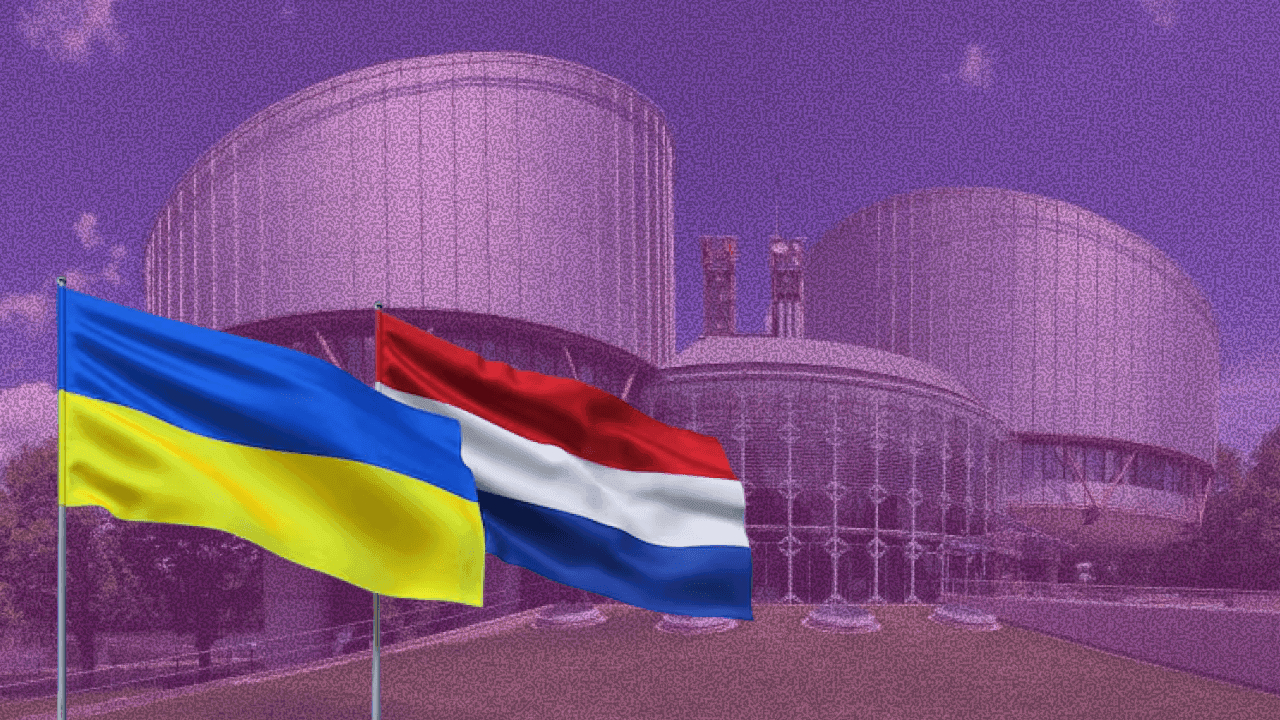
The Grand Chamber of the European Court of Human Rights (ECHR) has issued a landmark decision on the admissibility of the case Ukraine and the Netherlands v. Russia. The ruling merges three inter-State applications:
- Ukraine v. Russia (re Eastern Ukraine) — concerning events in Donbas since 2014;
- Ukraine v. Russia (II) — concerning the alleged abduction of three groups of children between June and August 2014;
- The Netherlands v. Russia — regarding the downing of Malaysia Airlines flight MH17.
Findings on Russian Control
After analyzing the conflict's progression from 2014 to 2022 and the political structure of the so-called "DPR" and "LPR," the Court reached critical conclusions regarding the separatist-controlled areas:
- Military Presence: A Russian military contingent was active in Donbas from April 2014, with large-scale deployments of Russian armed forces starting in late August 2014.
- Support: Russia provided significant political and financial backing to the "DPR" and "LPR."
- Command and Supply: Russia exerted substantial influence over the separatists' military strategy, provided large-scale weaponry from the outset, and conducted artillery strikes "on request" from separatist forces.
Consequently, the Court ruled that Russia exercised "effective control" over all separatist-held territories starting May 11, 2014. Therefore, alleged violations in these areas fall under Russia's jurisdiction.
Note: For territories under Ukrainian control that were shelled from separatist areas, the Court postponed the decision on "personal jurisdiction" (whether these acts were committed by Russian agents) until the merits stage.
Admissible Complaints
The Court deemed the following complaints by Ukraine admissible:
- Attacks on Civilians: Unlawful strikes on civilians and civilian objects, including the downing of MH17 and extrajudicial executions of prisoners of war (POWs).
- Abuse and Torture: Torture of civilians and POWs.
- Forced Labor and Abductions: The use of forced labor, illegal arrests, and prolonged unlawful detentions.
- Religious and Media Persecution: Deliberate attacks on religious groups outside the Russian Orthodox tradition, and the silencing of independent journalists and Ukrainian broadcasters.
- Property Rights: Looting and unlawful appropriation of private and commercial property without compensation.
- Cultural Rights: The prohibition of education in the Ukrainian language and the persecution of citizens supporting Ukraine’s territorial integrity.
Abduction of Children
Regarding the abduction of 85 children, the ECHR found these incidents constituted a "consistent pattern of violations." Thus, the requirement to exhaust domestic remedies did not apply. The Court declared complaints regarding the right to private life and the prohibition of torture (given the children’s age and health) admissible. However, individual complaints were rejected as they could have been, but were not, challenged in Russian courts.
The MH17 Case
The Court found no evidence that the missile launch or crash sites were in a state of "military chaos" that would preclude jurisdiction; these areas were under firm separatist control.
Key admissible points:
- Russia’s responsibility for the crash and the failure to conduct an effective investigation.
- The "additional suffering" caused to victims' relatives due to Russia's lack of transparency and refusal to provide legal assistance.
- The lack of an effective remedy within Russia for these grievances.
Next Steps
The Grand Chamber will now proceed to deliver a final ruling on the merits of the case.