This material is available in other languages:
ru
5 Feb 2026
Will films be banned in Russia from 1 March? We examine the Ministry of Culture’s new legislative amendments

- What does the term “traditional values” mean?
- Which films may fail to obtain a distribution certificate under the new rules?
The Russian government regularly uses the concept of “traditional values.” For example, this is how the state determines which countries are considered friendly and which are considered to impose “destructive neoliberal ideological settings” (yes, that’s the real quote from the presidential order). In domestic policy, driven by the motto of “strengthening traditional values,” they decide which information should be protected from children, which — from both children and adults, and which, on the contrary, should be actively promoted.
This idea penetrates the entire body of Russian legislation: the Ministry of Labour prepares events such as the “Family of the Year” competition across the whole country or the “Large Families in Russia” forum annually. The Ministry of Education coordinates an inter-university plan of initiatives to preserve and promote traditional family values amongst students; even the Ministry of Transport issues guidelines on how to create conditions to strengthen such values within the transport industry.
Starting from March 1, 2026, the Ministry of Culture will have the right to refuse to grant distribution certificates to films that “discredit or deny traditional Russian spiritual and moral values”. If a film fails the ministry’s assessment, it will be banned from cinema screenings, distribution via streaming platforms and even from being shared on social media.
Together with lawyer Tamilla Imanova of the Human Rights Defence Center Memorial, we examine what “traditional values” are and which films may no longer be released in Russia.
What does the term “traditional values” mean?
According to the 2022 presidential order, traditional values include “life, dignity, human rights and freedoms, patriotism, civic consciousness, service to the Fatherland and responsibility for its fate, high moral ideals, a strong family, constructive labour, the priority of the spiritual over the material, humanism, mercy, justice, collectivism, mutual assistance and mutual respect, historical memory and continuity of generations, and the unity of the peoples of Russia”.
According to the same document, opponents of traditional values, seek to impose a destructive ideology on Russians. First and foremost, they advocate “the cultivation of selfishness, licentiousness and immorality”, then “the denial of the ideas of patriotism, service to homeland, and the natural continuation of life”, as well as the denial of the values of “strong families, institution of marriage, large numbered families, and productive labour, and ultimately, the denial of “Russia’s positive contribution to the world history and culture”. The authors also express concern that the traditional family is being undermined by “the promotion of non-traditional sexual relationships”.

According to the document, traditional values may be threatened by the media, extremist and terrorist organisations, the United States and other unfriendly states, transnational corporations and foreign NGOs, as well as “certain organisations and individuals on the territory of Russia”.
Because of this, Russian authorities are convinced that the country's civil identity and unity within its multicultural people are weakening and the conditions are emerging for inter-ethnic and inter-religious conflicts. Trust in state institutions is being undermined, and even negative attitudes towards military service are being formed.
Which films may fail to obtain a distribution certificate under the new rules?
According to the law on the state support for cinematography, certificates for distribution are already not issued to the films containing:
- materials that violate legislation on terrorism and extremism;
- information on methods of production of drugs or psychotropic substances;
- propaganda of pornography, violence and cruelty;
- footage related to paedophilia;
- scenes related to “unconventional sexual relationships” (or even preferences), “gender reassignment”, and refusal to have children.

The new ban will significantly expand the list of films that could be banned.
- Firstly, any films that portray a Russian, person of Russian descent, or even simply a Russian-speaking character as anything other than a bearer of the highest spirituality and imprecable morality or as an antagonist, a criminal or even a person with bad habits- will be facing the potential ban.

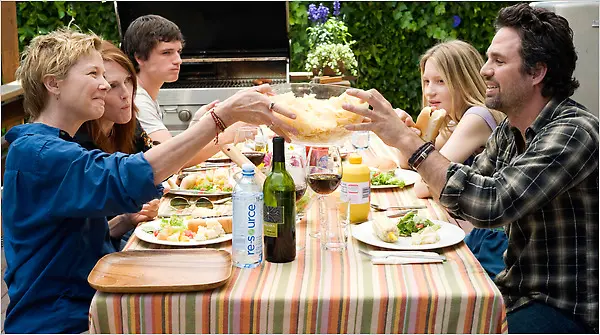
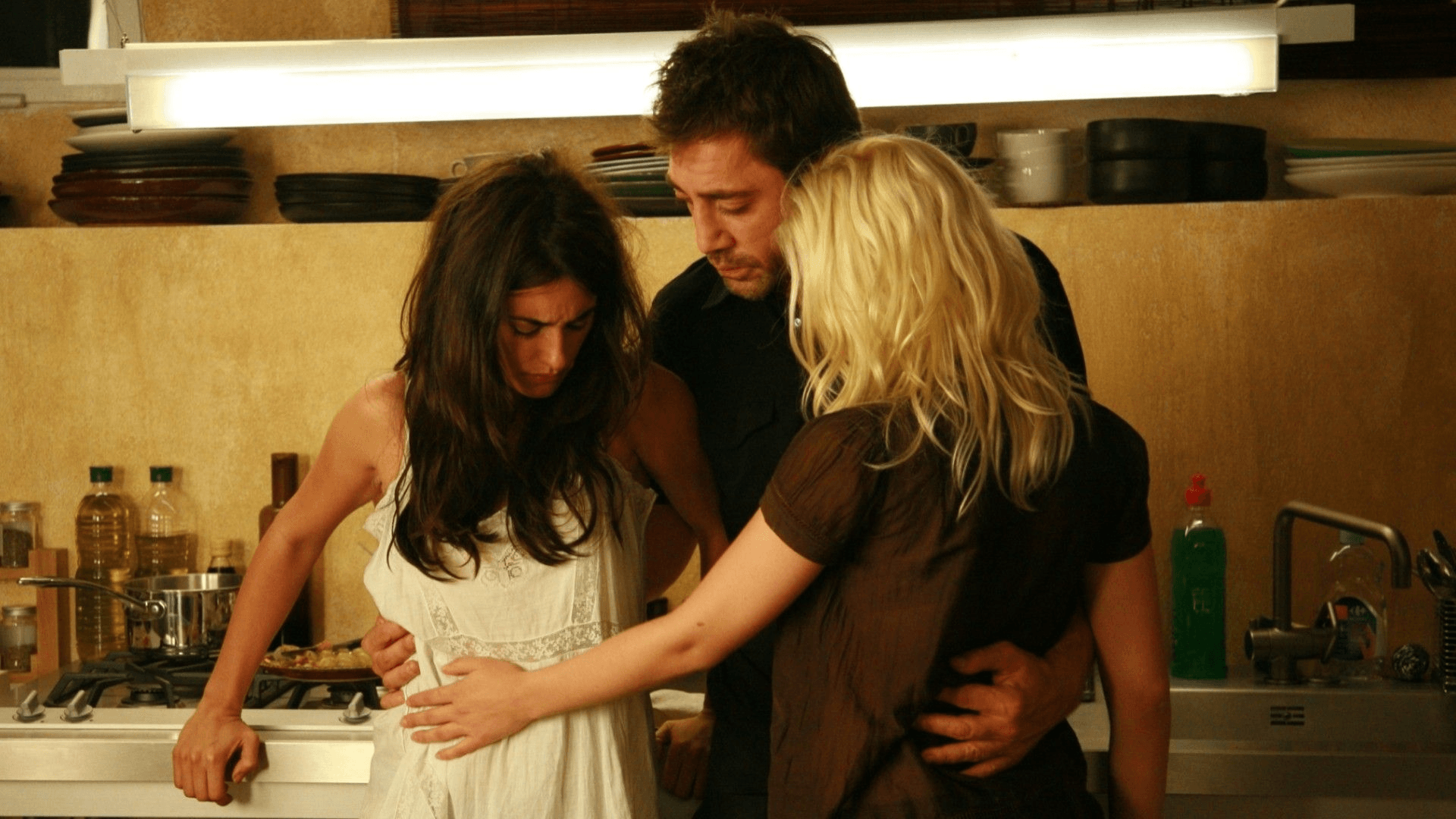
- Any film that features betrayal, lies, family conflicts, or other indications of an imperfect marriage can automatically be considered a threat to the idea of a strong family unit.
“Remember the banner on Russian reality shows: “The channel supports family values. A family based on respect and loyalty is the foundation of a strong society?”
“It’s highly likely that such warnings will become mandatory for films and series featuring conflicts in relationships. At best, a banner would have to be displayed; and in the worst case scenario, a total ban”, suggests a lawyer at the Human Rights Defence Center Memorial.
“It’s highly likely that such warnings will become mandatory for films and series featuring conflicts in relationships. At best, a banner would have to be displayed; and in the worst case scenario, a total ban”, suggests a lawyer at the Human Rights Defence Center Memorial.
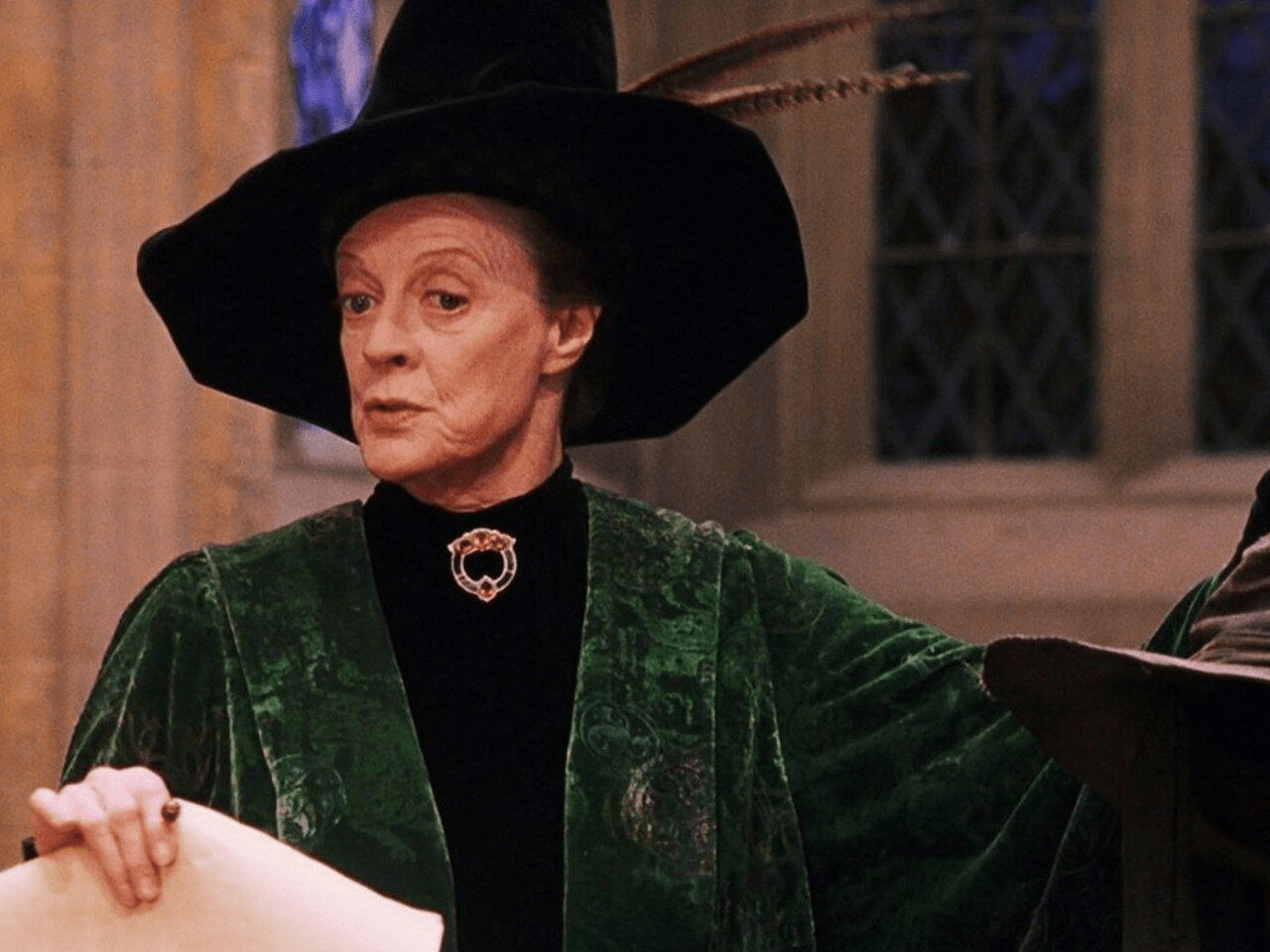
- The Ministry of Culture will likely expand the existing ban onto “refusal to have children”.
For example, the official publication of the Federal Assembly, Parliamentary Gazette, suggested that the Harry Potter series could be banned due to the featuring of child-free characters, since Professor McGonagail does not have children.
- It is likely that scenes related to abortion may also be banned, even if the film does not depict the procedure itself but only includes characters’ thoughts or conversations about abortion.
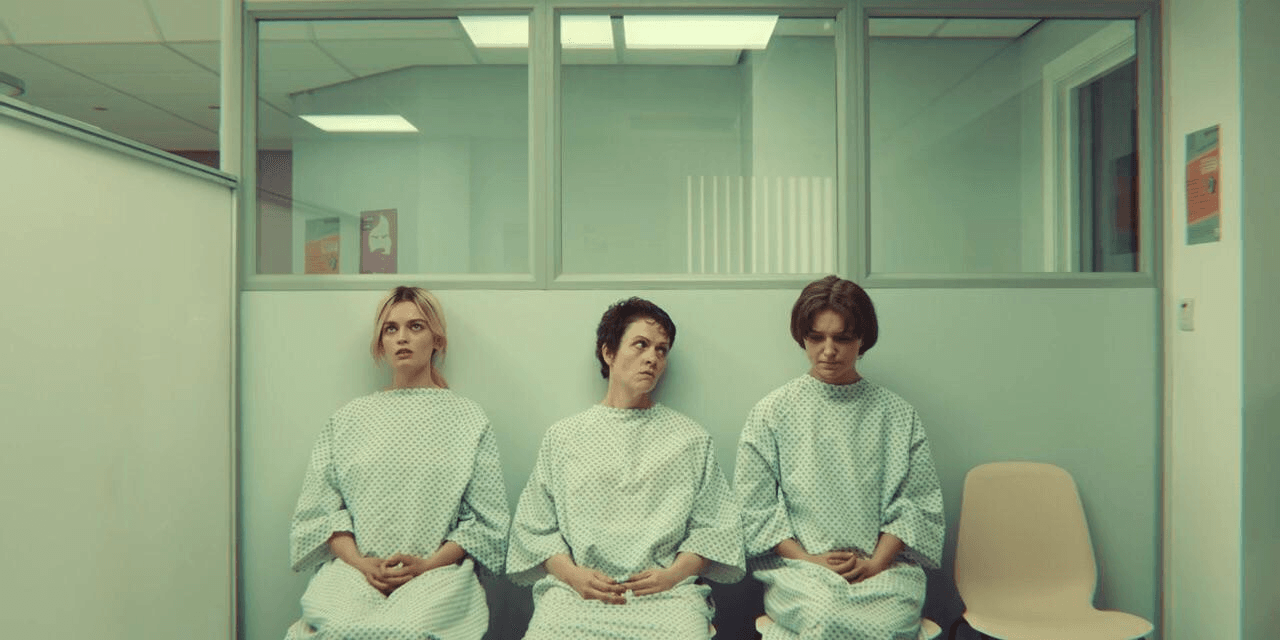
This chain of assumptions could be continued indefinitely: lawmakers are in no hurry to propose criteria that would make it possible even approximately to understand which specific scenes could be considered a “critical blow” to the spirituality and moral values of Russian viewers.
“In each specific case, the decision [will be made] individually by experts. They would evaluate the content and interpret it in accordance with the law”, explained Alexander Yushchenko, Deputy Chairman of the State Duma Committee on Information Policy.

Tamilla Imanova
Lawyer at the Human Rights Defence Center Memorial
“Following this logic, all that remains on Russian screens would be flawlessly correct storylines — for example, war dramas about soldiers who can pull a teammate out of a burning tank while delivering triplets at the same time”.